
01
Step One
Understand the Pattern
Evaluate the location, progression, and possible cause of your thinning.
Stem cell-based hair restoration is an evolving regenerative approach intended to support appropriate existing follicles and thinning scalp areas without surgical hair transplantation.
Stem cell-based treatment should not be presented as creating unlimited new follicles. Its potential role is different when viable follicles remain within thinning areas.
Hair thinning often develops gradually as follicles produce finer, shorter hairs over repeated growth cycles. Regenerative treatment may be considered for appropriate patients while viable follicles remain.
Evaluate hair that has gradually become less dense across specific scalp areas.
Consider treatment when hereditary thinning is developing but follicles remain in the affected region.
Assess progressive loss of coverage around the crown.
Evaluate decreasing density that makes the part and surrounding scalp more visible.
Miniaturizing follicles may begin producing progressively thinner strands before an area becomes noticeably bare.
Consider treatment when decreasing density makes more scalp visible through existing hair.
Determine the underlying pattern before choosing a regenerative treatment based only on the appearance of thinning.
The term can describe different biologic preparations and protocols. Before treatment, patients should understand exactly what material is being used, where it comes from, and its regulatory status.
It is an emerging regenerative approach involving stem cell-related or cell-derived biologic preparations intended to influence the environment around existing hair follicles.
That should not be promised. Research is exploring follicular regeneration, but current treatment should not be represented as reliably creating entirely new follicles in bald scalp.
No. A hair transplant physically moves follicles from a donor region. Stem cell-based treatment does not perform FUE extraction or graft implantation.
PRP and PRF are prepared from a patient's own blood. Stem cell-related treatments may involve very different biologic materials and processing, so they should not be treated as interchangeable.
This is a critical question. "Stem cell treatment" is not one standardized product. The exact biologic preparation and source should be explained before treatment.
Stem cell products marketed for hair restoration should not be described as FDA-approved hair-loss treatments. The regulatory status of the exact product being proposed should be discussed before treatment.
Early research is encouraging in some areas of regenerative hair medicine, but studies remain limited and protocols vary. More high-quality research is needed.
Your pattern, scalp condition, follicle viability, medical history, and stage of hair loss should be evaluated before deciding whether an emerging regenerative approach is appropriate.
Treatment planning should focus on thinning regions where follicles remain rather than assuming every area of hair loss has the same potential to respond.
Evaluate areas where frontal density is progressively decreasing.
Consider selected thinning areas where viable follicles remain.
Assess appropriate early thinning around the temples.
Focus on regions where miniaturization has reduced visible coverage.
Evaluate progressive crown thinning before substantial follicular depletion occurs.
Assess appropriate female-pattern thinning along the part and surrounding scalp.
Create a treatment map based on follicle condition rather than treating the entire scalp automatically.
Regenerative approaches make a different promise than transplantation. The goal is not to move donor follicles into an empty area, but to explore whether appropriate existing follicles can be supported.
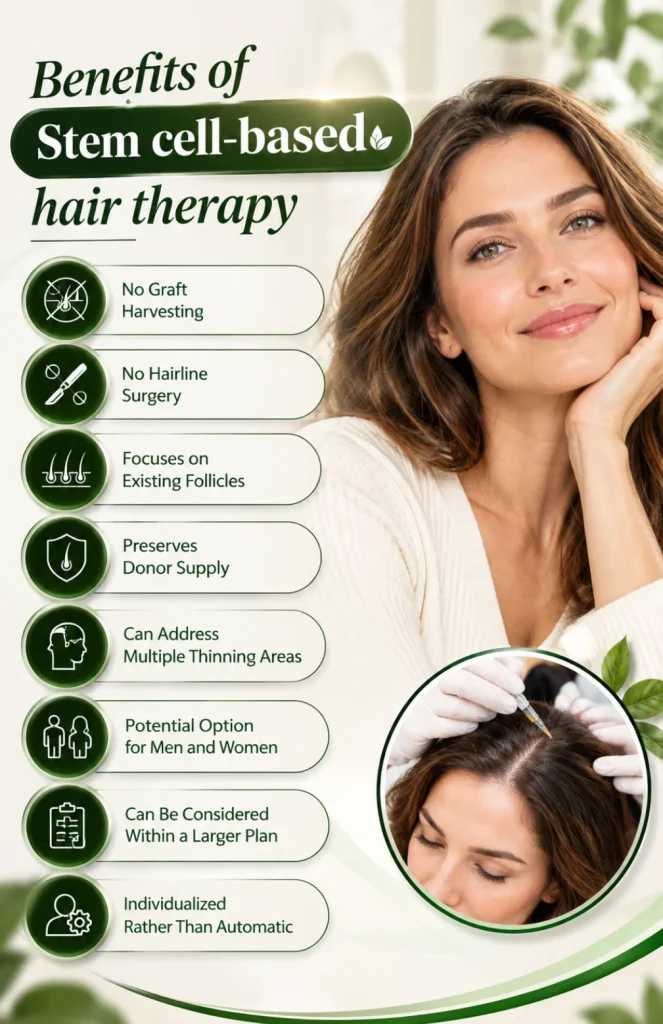
Stem cell-based hair therapy attracts patients looking for a non-transplant approach, but its potential benefits need to be balanced with the developing nature of the clinical evidence.
No Graft Harvesting
Treatment does not require removing follicular units from a donor area.
No Hairline Surgery
There is no FUE recipient-site creation or surgical graft implantation.
Focuses on Existing Follicles
The approach is intended for selected thinning regions where follicles remain.
Preserves Donor Supply
Because follicles are not harvested, donor hair remains available if transplantation is considered later.
Can Address Multiple Thinning Areas
Appropriate scalp regions can be considered according to the patient’s pattern.
Potential Option for Men and Women
Candidacy depends more on the type and stage of hair loss than sex alone.
Can Be Considered Within a Larger Plan
Regenerative treatment may be discussed alongside other medically appropriate hair-loss strategies.
Individualized Rather Than Automatic
The exact biologic, treatment schedule, risks, and expected outcome should be reviewed for each patient.

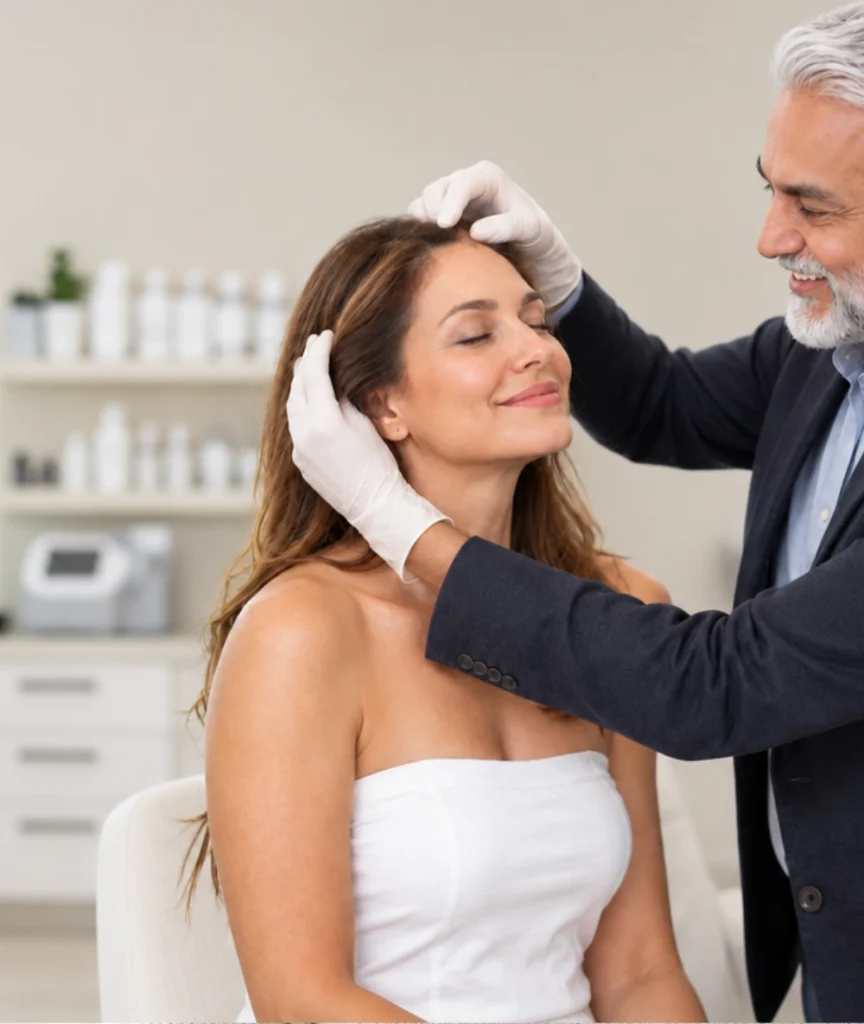
Your provider reviews your hair-loss pattern, scalp condition, health history, medications, previous treatments, and goals.
If regenerative treatment is being considered, the exact biologic material, source, proposed purpose, evidence, and regulatory status should be explained.
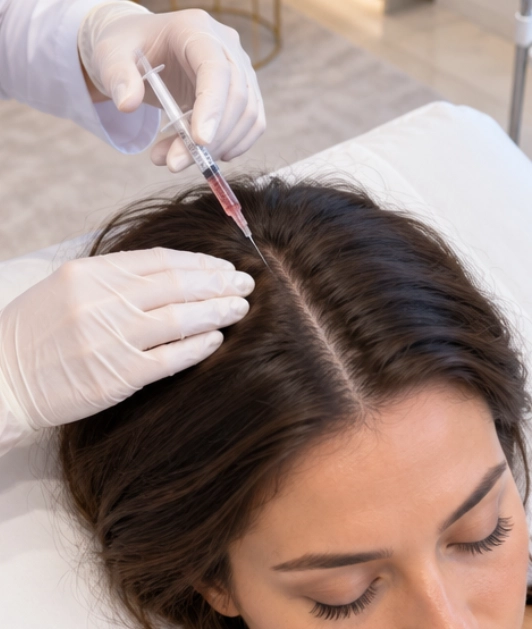
Depending on the protocol selected, the preparation may be administered into targeted thinning scalp areas using a series of injections.
Hair growth cycles take months. Standardized photographs and follow-up assessments can help determine whether meaningful changes are occurring.
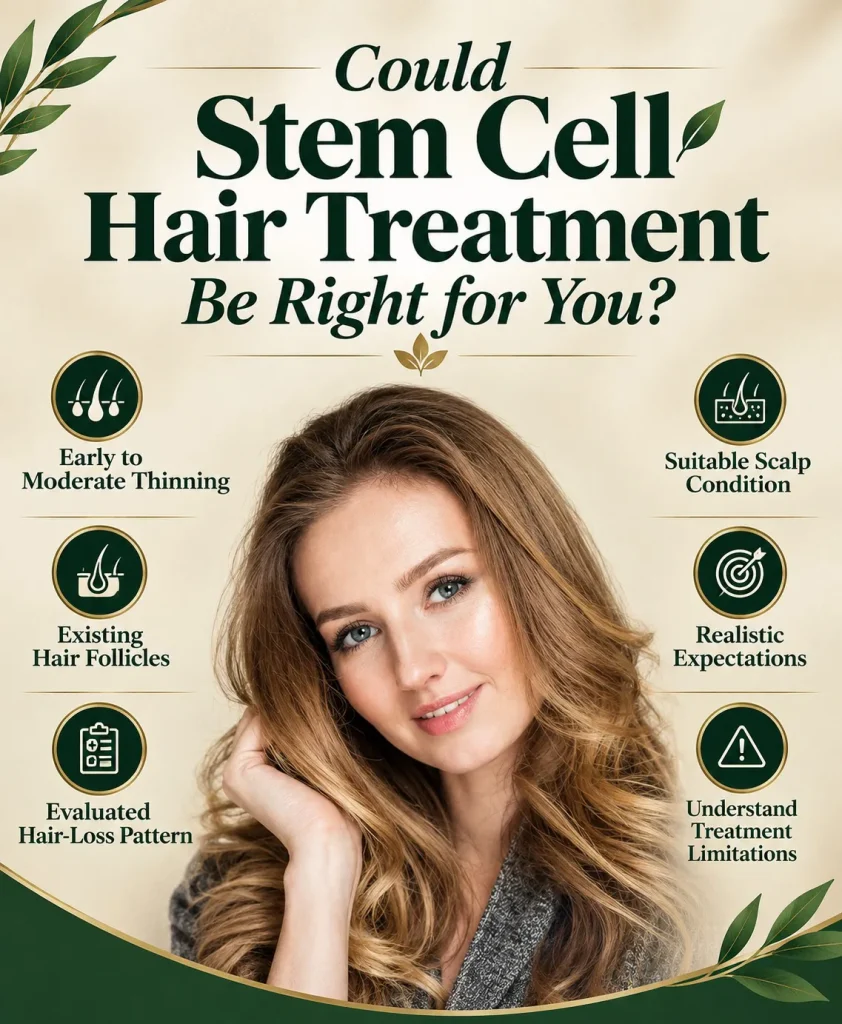
Sudden shedding, active scalp disease, scarring alopecia, nutritional deficiencies, hormonal conditions, medications, or other medical causes of hair loss may require further evaluation before cosmetic treatment is considered.
At New U Med Spa, your consultation should clarify your type of hair loss and the exact treatment being considered. Understanding the proposed biologic is just as important as understanding your scalp.
Hair restoration is not measured by what happens immediately after an injection. The meaningful question is whether appropriate follicles show measurable improvement over time.
Evaluate the location, progression, and possible cause of your thinning.
Discuss the proposed biologic, available evidence, limitations, risks, and alternatives.
Administer the planned treatment to appropriate thinning scalp regions.
Compare standardized photographs and hair changes over the following months.
Recovery depends on the exact treatment and biologic used. When treatment involves scalp injections, temporary local effects may resolve relatively quickly, while potential hair changes take months to evaluate.
Avoid scratching, aggressive rubbing, or unnecessary irritation immediately following treatment.
Washing, exercise, sun exposure, and topical product guidance should match the exact procedure performed.
Persistent pain, significant swelling, drainage, fever, or other unusual symptoms should be reported promptly.

Safety depends heavily on the exact product, how it was processed, and how it is administered. Stem cell and other regenerative medicine products are regulated, and unapproved products can carry serious risks.
Injection-related effects may include pain, redness, tenderness, swelling, bruising, bleeding, or infection. Additional risks can vary considerably depending on the biologic preparation being used.

Consistent before-and-after photography can help track density, scalp visibility, and other changes over time. Early research into regenerative approaches for hair loss is developing, but treatment protocols and evidence vary. Individual results cannot be guaranteed.
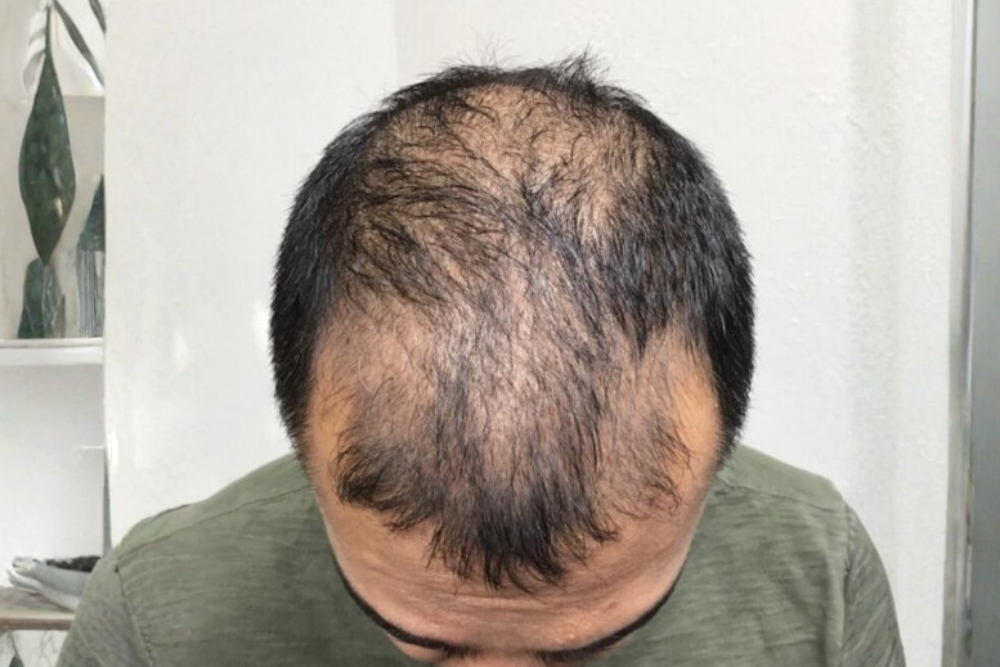
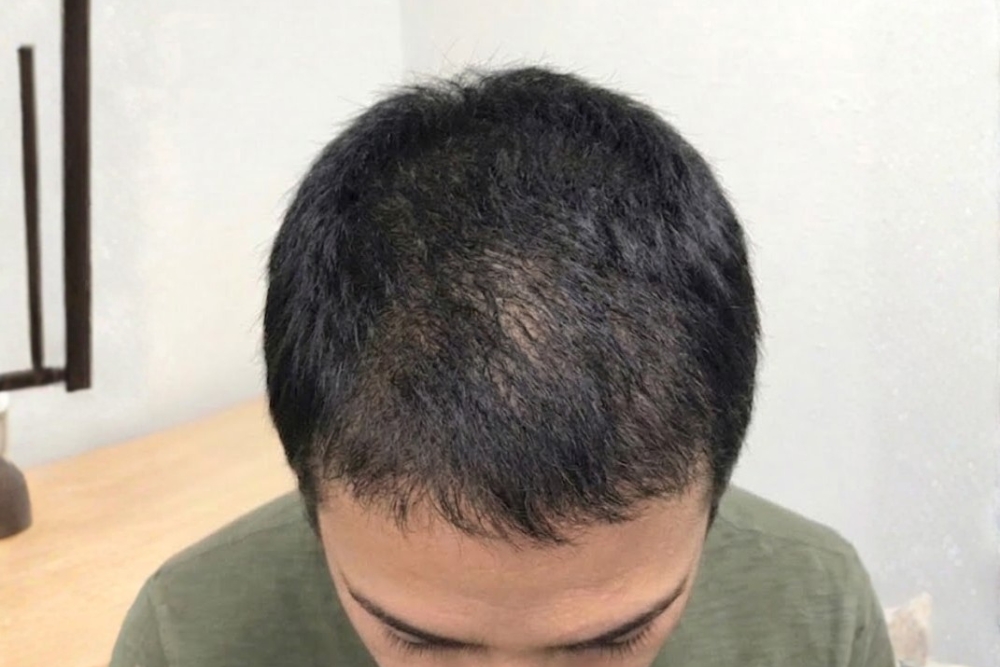

New U Med Spa offers several hair restoration approaches, allowing patients to discuss regenerative treatments alongside established injectable and transplant-based options rather than viewing every type of thinning through a single procedure.
PRP, PRF, NeoGraft®, J Graft™, and other available options can be considered according to your hair-loss needs.
Hair-loss pattern, follicle condition, scalp health, medical history, and goals help guide recommendations.
Visit New U Med Spa in Orlando’s Dr. Phillips area for a personalized hair-loss consultation.

Regenerative hair medicine is developing quickly, making it especially important to separate emerging scientific potential from claims that current evidence does not yet support.
Stem cell products should not be marketed as FDA-approved treatments for hair loss unless the specific product has that approval. Ask about the regulatory status of the exact product proposed for you.
Current clinical treatment should not be promised to reliably create brand-new follicles in completely bald areas. Regenerative research is investigating follicle biology, but clinical evidence remains developing.
No. PRP is prepared from a patient's own blood and concentrates platelets. Stem cell-related treatments may use different biologic materials and should not be described as the same procedure.
Patients with appropriate early to moderate thinning and viable follicles may be evaluated. The cause of hair loss, scalp health, medical history, and exact treatment protocol all matter.
Hair grows slowly, so any response should be evaluated over months rather than immediately. Timing and degree of improvement vary, and treatment cannot guarantee regrowth.
If you’re exploring Stem Cell Hair Restoration in Orlando, schedule a consultation at New U Med Spa in Dr. Phillips. We’ll evaluate your thinning pattern and discuss the proposed treatment, alternatives, limitations, and realistic expectations before you decide.